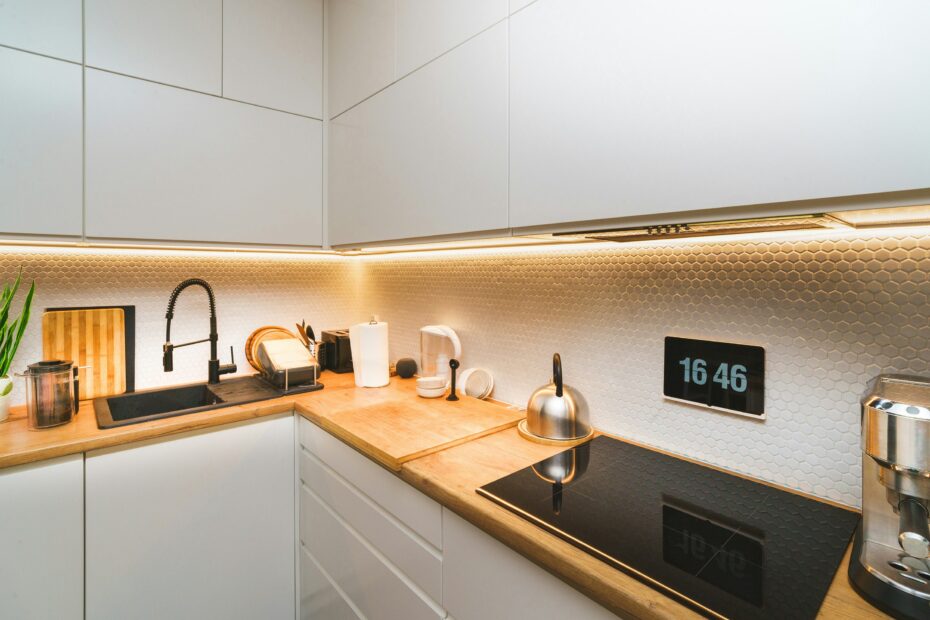
Preparing a home for each season involves practical steps that keep living spaces functional and comfortable while reducing stress. Maintaining organization, managing seasonal storage, and performing routine maintenance ensures the home adapts smoothly to changing weather and lifestyle needs. Simple habits like rotating clothing, decluttering, and prepping outdoor equipment contribute to a balanced environment year-round.
Effective seasonal prep also includes caring for essential tools such as honda power equipment. Regular maintenance of lawnmowers, generators, and other devices guarantees they operate safely and efficiently when needed, preventing last-minute issues during peak use.
By embracing a consistent approach to home organization and maintenance, homeowners can create a welcoming space that supports their daily life through every season. This process minimizes disruptions and helps avoid costly repairs down the line.
Seasonal Home Maintenance Essentials
Effective home maintenance requires timely actions tailored to each season. This includes preparing your home physically, managing indoor comfort, improving energy efficiency, and selecting the right tools and products. These steps help maintain functionality and reduce costly repairs — especially important for homeowners planning upgrades such as an AC Installation Oakville.
Preventative Measures for Each Season
Each season demands specific upkeep to prevent damage and costly repairs. In spring, focus on clearing gutters, inspecting roofs for winter damage, and servicing air conditioning units to prepare for summer heat. Summer maintenance should include checking for leaks, air conditioning system tuning, and exterior painting or staining to protect surfaces.
Autumn involves cleaning gutters again, sealing cracks around windows and doors, and preparing heating systems for winter. Winter demands protecting pipes from freezing, regularly inspecting insulation, and removing snow and ice buildup from roofs and walkways. Timely inspections and repairs avoid emergencies and keep repair costs lower.
Maintaining Indoor Comfort Year-Round
Maintaining consistent indoor comfort involves regulating temperature, humidity, and air quality throughout the year. In summer, air conditioning systems must be properly maintained and possibly upgraded.
Humidity control is essential; dehumidifiers in summer and humidifiers in winter help prevent mold growth and respiratory issues. Regular air filter replacement and duct cleaning improve air quality. Sealing drafts and improving insulation maintains stable temperatures while reducing strain on heating and cooling systems — an important consideration for households managing their budgets or exploring financial options like a consumer proposal.
Energy Efficiency Tips for Every Season
Improving energy efficiency saves money and enhances comfort. In spring and summer, installing programmable thermostats and using ceiling fans reduces cooling costs. Sealing gaps and windows with weatherstripping prevents cool air loss.
During fall and winter, adding insulation to attics and walls lowers heating bills. Using energy-efficient appliances and LED lighting year-round also helps. Simple actions like closing blinds during hot days or using heavy curtains in winter contribute to temperature regulation. Energy audits identify weak points and guide where to focus improvements.
Choosing the Right Tools and Products
Selecting appropriate tools and products is crucial for effective home maintenance. High-quality ladders, gutter cleaning tools, and moisture meters enhance safety and efficiency during seasonal tasks. For HVAC upkeep, reliable air filters and programmable thermostats improve system performance.
Organizational Strategies for a Stress-Free Home
A well-organized home depends on clear methods to reduce clutter, efficient storage, regular maintenance, and smooth seasonal changes. These elements help maintain comfort and functionality without overwhelming effort.
Decluttering and Storage Solutions
Effective decluttering begins with identifying items no longer needed or used. Sorting belongings into categories like keep, donate, or discard simplifies this process. Prioritizing frequently used items in accessible spots reduces daily stress.
Storage solutions should maximize space while maintaining order. Using clear bins, labeled containers, and adjustable shelving helps keep items visible and easy to find. Seasonal items can be stored separately to avoid overcrowding the main living areas.
Incorporating multi-functional furniture like storage ottomans or beds with drawers increases hidden storage options. Regularly revisiting storage systems ensures they keep working as needs change throughout the year.
Routine Scheduling and Checklists
Setting a consistent routine for organizing tasks prevents the buildup of clutter and outdated items. Weekly or monthly time slots dedicated to tidying specific areas keep the home manageable.
Checklists tailored to each room or season help track what needs attention. For example, a checklist may include rotating seasonal clothing, inspecting winter gear, or clearing expired pantry items.
Digital or physical checklists provide reminders and a clear overview, making it easier to break down larger jobs. Consistency in scheduling promotes lasting order and reduces last-minute stress.